I appreciate the [LAP] service as it gave me a chance to show the judge I can be in the community without getting into more trouble. If I wasn’t in LAP I would be sitting in jail depressed.LAP resident
The London Accommodation Pathfinder (LAP) is a community-based alternative to custody that supports boys to make changes and move forward with their lives following contact with the youth justice system. Black and Mixed heritage boys – who are overrepresented in the custodial remand population and in youth custody generally – are prioritised. Children who are remanded into custody in England and Wales have typically had strikingly similar adverse life experiences to children who are deprived of their liberty to manage immediate risks of harm to their welfare. What lessons could the LAP – which is demonstrating early signs of success – offer children’s social care professionals who support these children?
If a child in England or Wales is accused of committing a specific serious violent or serious sexual offence or their welfare or the safety of others would be at risk if they were granted bail, they are likely to be placed in custodial remand while awaiting trial or sentencing. There was an average monthly population of around 180 children remanded in custody at any one time in England and Wales in the year ending March 2025. The children become ‘looked-after’ by the local authority, and usually stay in either young offender institutions, secure children’s homes, the secure training centre or the secure school. Alternatively, children may be placed in community remand settings, which are starting to be used more often and safely manage children in the community, provided there are no concerns for their welfare or the safety of the public or any victims.
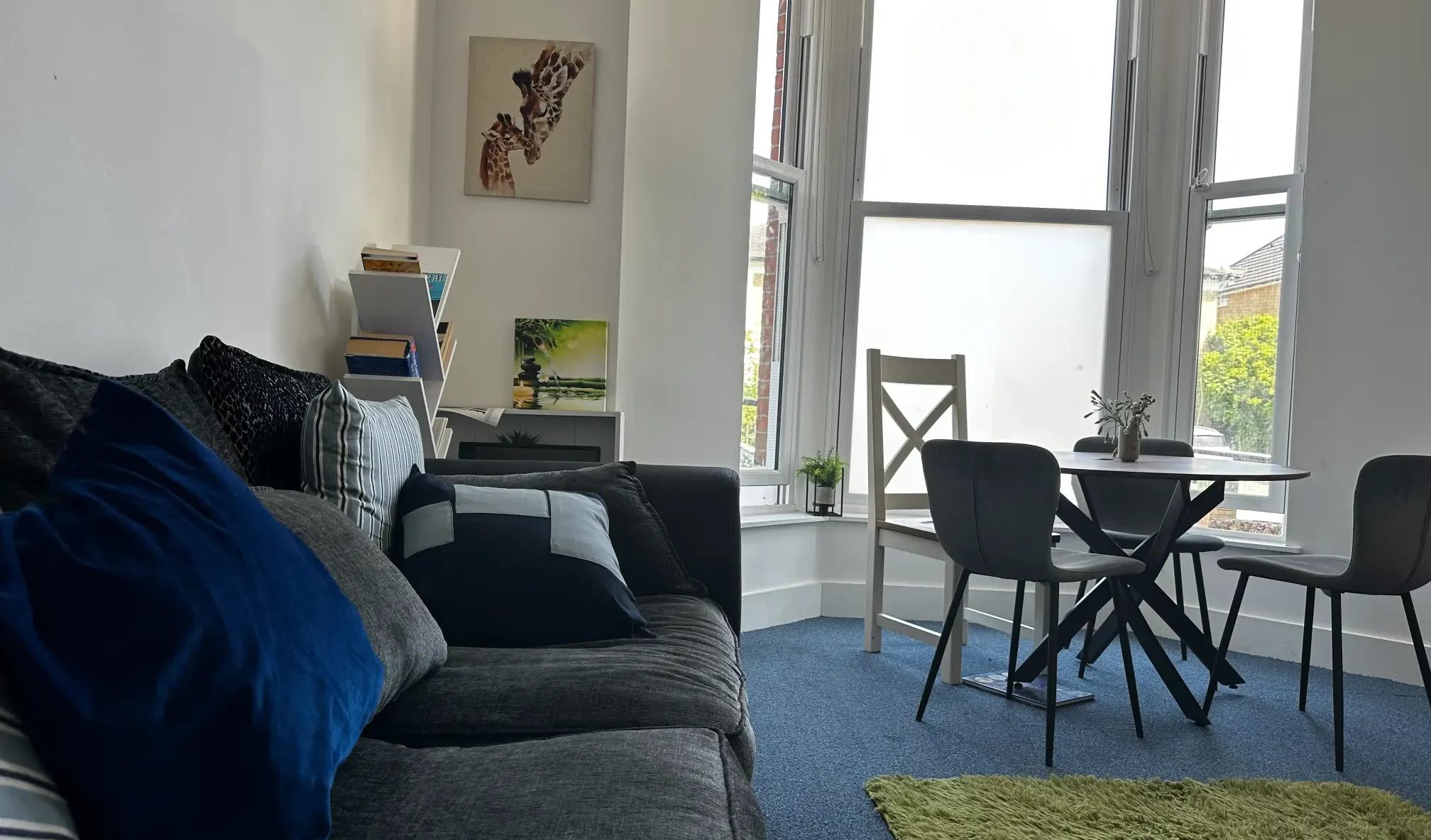
A communal area at the LAP
The majority of children on custodial remand are among the most vulnerable in our society – and the support provided to them to aid their rehabilitation and development in line with the Child First framework (which puts children’s needs, rights and potential at the centre of every decision and action) can offer important insights for the care of other children with similar characteristics.
Evidence shows that children in youth custody have strikingly similar life experiences, circumstances and needs to the many hundreds of children who become subject to deprivation of liberty (DoL) orders each year because they are deemed at immediate risk from either their own actions or the actions of others. Children placed on DoL orders can often be living in unsuitable settings, often far from their family, friends and community, with severe restrictions placed on their day-to-day freedoms over long periods of time. It is recognised that current services do not meet the associated principles of care or children’s needs. The London Accommodation Pathfinder (LAP), a community-based alternative to custodial remand, could therefore offer lessons for the care and support of children on DoL orders.
When I arrived, they did make me feel welcomed automatically, as they did make me a home cooked meal.LAP resident
Similarities between children on custodial remand and children on DoL orders
Both groups of children (which can overlap) have typically experienced trauma and disadvantage from early childhood. They are likely to face multiple difficulties and risks arising from mental health problems, challenging and offending behaviours, problematic substance use, self-harm, educational needs and disruption, and risk of sexual and criminal exploitation.
There is also ethnic disproportionality within both groups. Black and Mixed ethnicity children remain overrepresented in youth custody generally and within the custodial remand population. Nuffield Family Justice Observatory will soon publish a data briefing that will examine the ethnicity of children subject to DoL applications, but it has been previously suggested that children from Mixed or multiple Black ethnic groups are overrepresented.
Community alternatives to custodial remand and lessons for children’s social care
It is widely acknowledged that remanding a child in youth custody should only be used as a last resort, regardless of whether an eventual custodial sentence is probable. The trauma, distress and harm that is caused to children when they spend even short periods of time on custodial remand is well evidenced.
The Review of Custodial Remand for Children in 2022 found that many children on custodial remand could have been managed in the community with robust bail packages (including intensive supervision and surveillance). Research shows that diverting children away from the criminal justice system in this way is more effective at preventing reoffending and violence than arrest or prosecution, and is also likely to achieve this at lower cost.
The LAP is one of the promising community-based approaches being developed and piloted in the youth justice system. Children live in an appropriate, safe, effective, stable, homely setting and receive wraparound support and therapeutic care from trusted adults – and evidence shows that children subject to DoL applications need this type of care and support too.
The LAP
The LAP offers therapeutic, specialised accommodation within the community for boys aged 16-17 who are from London (with boys who are Black or Mixed heritage being prioritised) and who would otherwise be facing custodial remand or a custodial sentence. Children can also be placed at the LAP as part of a resettlement package when they are released from custody.
The LAP property is a large house in a London neighbourhood. It opened in August 2023 with capacity to accommodate up to five boys at any one time and is grant-funded by the Youth Justice Board, with collaborating boroughs funding placements. Operating under the Child First evidence base and decision-making framework, the overall ambition is to help the boys develop a pro-social identity, avoid reoffending and stay out of custody and in the community, while helping to tackle the over-representation of Black and Mixed heritage children on remand and in the youth justice system. The LAP aims to provide children with better outcomes, including improved health and life chances, while offering better long-term protection to the public.
The boys are supported to address the intense challenges and complex traumatic experiences they have faced, build on their strengths, and make a constructive contribution to society. The LAP focuses heavily on improving mental health, physical health/fitness and life skills, building self-esteem, and developing crucial employability skills. Through a comprehensive wraparound support package, delivered in partnership with local authorities, sports partnerships, third sector providers and health services, the children participate in education, training placements, apprenticeships, and tuition to gain qualifications, and learn life skills such as budgeting, shopping, cooking and cleaning. The children also have access to therapists and fitness activities. Alongside having a timetable of activities in line with their individual support programmes (which they co-create), the boys are also regularly involved with group work, such as creating artwork together during Black History Month.

Artwork the boys completed for Black History Month in 2025
The staff look after me, they keep me safe.LAP resident
The property is staffed 24 hours a day, with a manager and support staff, as well as key workers who the boys spend time with during their day-to-day activities. The LAP staff are continuously supported by the children’s external professional network, including social workers and youth justice workers. Relationships are built, enabling staff to understand the children’s difficulties and the skills that can be developed. The LAP aims to employ staff from similar backgrounds to those it was set up to support.
Feeling safe and cared for is key for helping children establish a pro-social identity, and house dynamics are an important part of the children’s experience. The boys have their own bedroom as well as access to communal areas, including a lounge, a kitchen, a laundry and a garden. When they arrive at the LAP, they are given an allowance to decorate and furnish their bedroom, and they can contribute to decisions on how other areas in the house are decorated too. The boys have opportunities to talk about and celebrate their cultural heritage.
Maintaining contact with family and friends is vital for children’s wellbeing and rehabilitation. In most cases, the boys’ family homes are near to the LAP, and families can visit and spend time with their children. Restorative work with family members can also be included in the support programme. The importance of family connection is illustrated by a comment from one LAP resident: “My little brothers motivate me, I don’t want them growing up with their big brother in jail.”
While living at the LAP, children are subject to a curfew with electronic monitoring. They might also have other restrictions placed on them by the court, but the LAP team will aim to work to reduce them and build independence. One boy says: “It’s like, like discipline [needing to be back by curfew] because I feel like the people that I cut off, maybe I wouldn’t have cut them off, if I was still around them.” Another says: “Having a tag helps. It’s a reminder not to do bad things. It keeps you at home.”
It was so safe, like because the area I’m not even from there, it was just the area was nice as well. I was feeling so safe.LAP resident
Up until the end of October 2025, 47 boys had been referred to the LAP, with 22 of them being placed there. Explaining the eligibility criteria, Louise Wakelin, Strategic Manager at the London Accommodation and Resettlement Partnership, which governs the LAP, says: “We believe our referral process is thorough and effective. It involves the child and their parent/carer, along with several other parties, including the youth justice service, the local authority, the police, social services and members of the LAP service team.
“Referral panels run each week, where information about the children being considered – including their needs and safeguarding risks – are shared. The panel considers which placement option is best for the child, based on their individual circumstances. A placement can only be endorsed if there are no concerns for the safety of any victims and no issues related to connections with children already at the LAP. Final placement is through a court imposed resident requirement. We encourage local authorities and youth custody workers to consider eligibility ideally as soon as a child attends court, to avoid them going into custody. We usually have spare capacity.”
“To join the LAP, the child and their parent/carer must both agree to the child being remanded into the care of the local authority. The child must be able to feel safe at the LAP and must be ready for self-independence, as they’ll need to show the court they can live safely. They must want to fully engage with the programme and make positive change; it is an intensive alternative to custody, involving a full timetable of activities and a lot of work. It’s not a linear journey for the boys – it’s often like snakes and ladders – and the need for support is constant. Importantly, joining the LAP has to be the child’s choice, and some decide it isn’t right for them.”
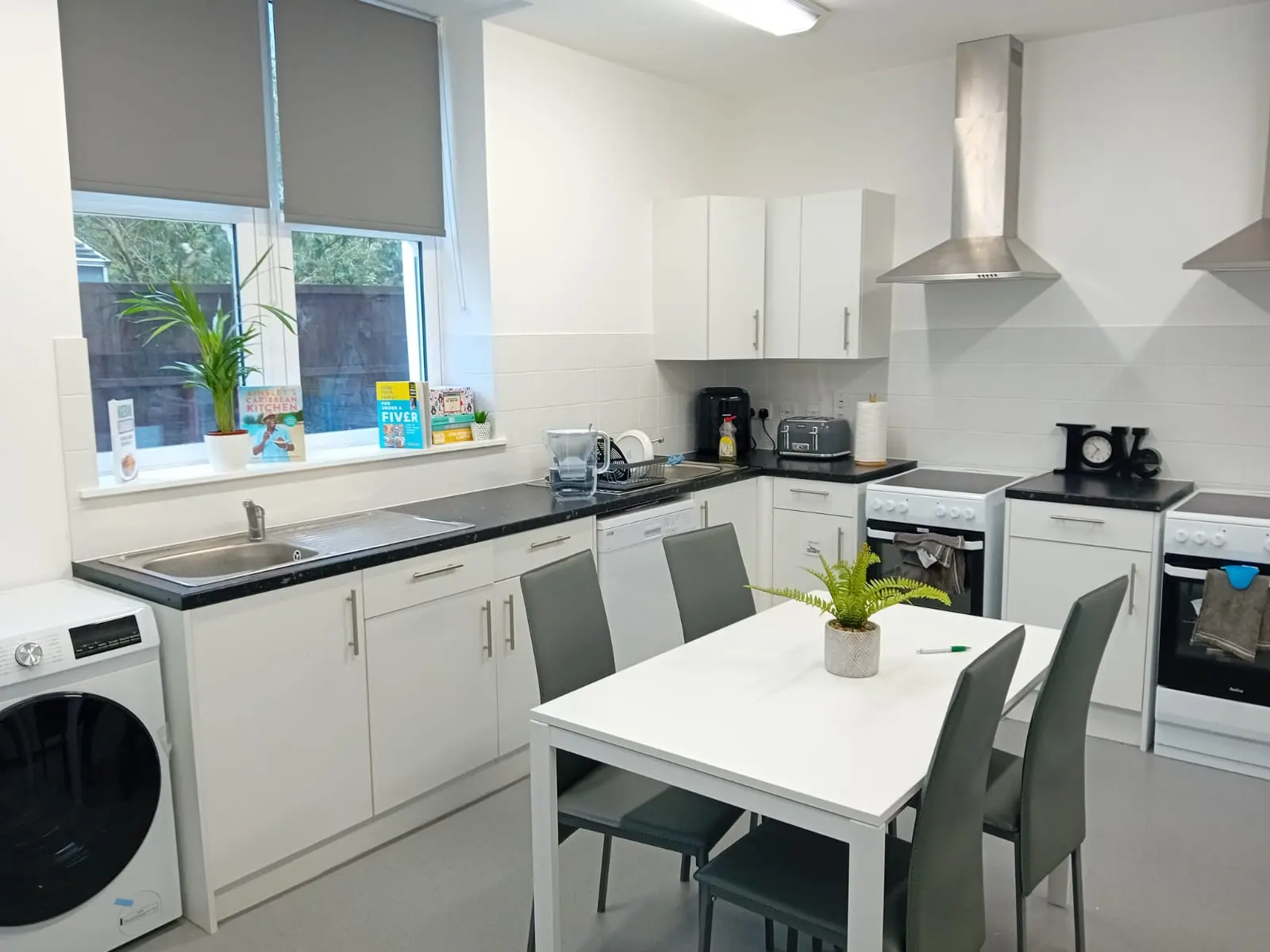
The LAP’s communal kitchen
First day I get to the house. Everyone’s just welcoming. Then yeah, the staff members took me out to get some food. They showed me around the house, and I realised like this is fine, this is way better than prison, so as soon as I saw how comfortable the house was, and I knew that I wasn’t going to go back, it was like, how could I? It would just be me being a fool if I go back.LAP resident
Some of the residents who were asked about their experiences of the LAP and the support they’ve received, say:
“I wasn’t enthusiastic when I first came here. I was thinking to just hurt someone so that I could go back in [custody]….the support has stopped me wanting to do bad. I’m one step closer to being a man.”
“[I] Will always appreciate LAP as it gave me a second chance.”
Placements at the LAP last for six months, dependant on continuous assessment and whether there are satisfactory levels of safety and safeguarding for children and the public. When a child completes the LAP programme and leaves the accommodation, the team supports them in their next stage; the likely outcome is identified in the early days of placement. A child may receive a community order and go back to live with their family or into a local authority placement, or they may receive a custodial sentence.
Najah Ismaël, LAP Development Manager, London Borough of Camden (the lead local authority involved), says: “Children in the youth justice system typically face many challenges, have had difficult life experiences, and have often been failed by services long before they were arrested. Often the boys placed with us have been involved with children’s social care, have at times been missing from their family homes, and have experienced multiple exclusions from education settings. Their experiences have impacted on their emotional and mental health as well as their self-esteem and future aspirations. Consistent, stable, positive, collaborative relationships can give them a chance to turn their lives around.
“Children at the LAP live alongside a team they can rely on for support and encouragement – whether they are learning a new skill, getting help for a health issue, talking through their problems or cooking a meal. We want to avoid children being given a criminal identity; the LAP helps children to see they are more than the crime they have been accused of committing – we help them recognise and believe in their potential, learn new things and develop self-confidence. In the space of six months the boys make real achievements. We have examples of boys giving back to the local community as well as getting jobs and supporting with staff interviews. Two former residents have become peer researchers for the LAP evaluation.”
Some of the residents say:
“I’m more financially stable, I’ve learnt how to budget, how to cook.”
“It’s helping me to be more independent.”
Promising early evidence about the LAP
The LAP has recently been independently evaluated by London Metropolitan University. While the findings are indicative rather than conclusive due to the small number of children involved and limitations in the available data, the evaluation reports promising early evidence that the LAP has a lower recorded reoffending rate compared to the national average for children leaving custody. Only 26% of boys leaving the LAP reoffended, compared to 61.7% of children leaving youth custody – indicating promising reductions in arrests, convictions and court events. There were no reported public safety concerns involving a child while they lived at the LAP.
The LAP successfully removed or shortened the time that Black and Mixed heritage children who stayed there spent in custody, reducing their exposure to the harmful effects of custodial settings.
The evaluation also indicated the potential for significant cost savings per child compared to custody. Currently, the LAP placement cost is £513.11 per night, which is cheaper than the average costs of a secure children’s home, a secure training centre or a high risk supported housing placement. Further cost savings were identified related to reductions in arrests, convictions and court events.
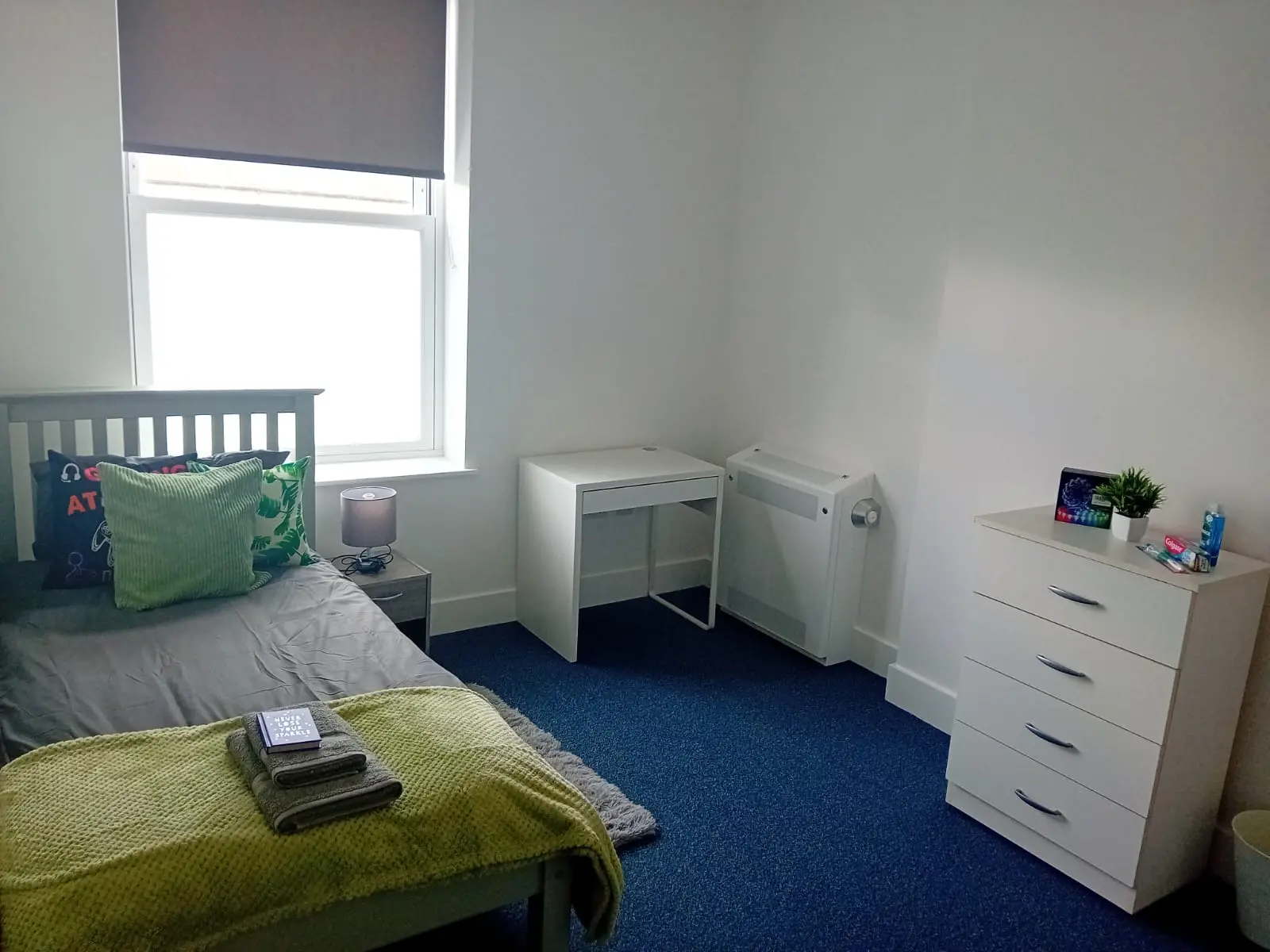
A bedroom at the LAP
Najah Ismaël says: “The LAP is making a difference. We are demonstrating that community-based settings can help children to make positive changes, avoid reoffending and improve their life chances, and can make communities safer.”
Commenting on what is needed to sustain change, Louise Wakelin says: “We’re talking about systemic change – a journey of transition. If we are to achieve a sustained reduction in youth reoffending, it needs to be a collaborative process. We need effective joint working across all services that are involved with these children – not only youth justice and service providers, but health, education, and social care. And we need more alternatives to custody like the LAP. We are hopefully creating a blueprint that can be replicated in other areas, or that can inform other community alternatives in development.”
The LAP is sponsored by the Ministry of Justice and endorsed by the Association of London Directors of Children’s Services. The London Innovation and Improvement Alliance had a key role in the development of the initial model and business case for the provision. A specialist service provider manages the delivery of the programme to the children.
Youth justice and family justice professionals who are interested in learning more about the LAP can find films, resources and information here. Anyone wishing to find out more about the LAP, or London boroughs wanting to find out how they can join the collaboration, can email Louise.Wakelin@camden.gov.uk or LAP@camden.gov.uk.